














Imagine a keychain, not a leather billfold. A Web3 wallet doesn’t hold your Bitcoin or NFTs inside it like a physical purse holds cash. Instead, it’s a software application that manages your private keys and acts as your personal signing device for blockchain transactions. Your assets live on the blockchain; your wallet is the only tool that can prove you own them and authorize their movement.
This brings us to the fundamental split in the wallet world: custodial versus non-custodial. A custodial wallet is like a bank vault you don’t have the combination to—you trust a third party to hold your keys. A non-custodial wallet is your personal, impenetrable safe at home. Web3’s ethos is built on the latter: total control and, with it, total, non-negotiable responsibility. If the keychain is lost or copied, the assets are gone. That’s why understanding basic security isn’t a niche hobby; it’s the price of entry.
But here we are in 2026. The landscape has matured dramatically. Gone are the days when a simple MetaMask extension and a prayer were enough. The bad actors have evolved. They aren’t just pimply teenagers in dark basements anymore; they are organized, sophisticated syndicates running multi-million dollar social engineering operations that would make a Hollywood scriptwriter blush. The “Nigerian Prince” email is a museum relic. Today’s phishing attempts are personalized, multi-stage psychological attacks that target your human vulnerabilities, not just your software.
The paradox of 2026 is this: Web3 infrastructure has never been more secure at the protocol level, but the end-user risk has never been higher. Why? Because the attack vector isn’t the blockchain; it’s you.
This guide is for the artist, the collector, the DeFi degen, and the curious newcomer. You don’t need to understand the code. You don’t need to be a “security expert.” You just need a system. By the end of this read, you will have a practical, actionable, and largely stress-free strategy to turn your wallet into a digital Fort Knox, allowing you to sleep soundly knowing your apes, coins, and digital identity are safe.
The 2026 Threat Landscape: Why “Don’t Click Weird Links” Isn’t Enough
To defend yourself, you must first understand what you’re defending against. The threats have shapeshifted. The biggest danger is no longer a virus that steals your private key file; it’s a friendly voice on Discord promising you a whitelist spot.
The Rise of AI-Powered Social Engineering
This is the nuclear bomb of 2026 scams. Generative AI is now being used to clone voices from a single 15-second audio clip—like one you might post in a voice channel. Imagine getting a frantic, teary phone call from a “friend” you met at a conference, urgently needing a small emergency loan in ETH. That voice is indistinguishable from the real person. Deepfake video calls are no longer laggy and uncanny; they are fluid and terrifyingly real for anyone with a modern GPU.
Poisoned Front-Ends and Interface Spoofing
You know to double-check a website URL. But do you check the DNS records every time? Attackers are now compromising the very interfaces we trust. A legitimate DeFi protocol might have its front-end quietly injected with malicious code that doesn’t drain your wallet immediately but alters a future transaction you sign. That staking contract you’re about to approve? The interface shows you a 5% yield, but the underlying transaction data you’re signing has a function call that gives the attacker an unlimited allowance to your USDC.
The Public Ledger: Your Glass House
It cannot be overstated: the blockchain is a permanently open, permissionless database. Your entire financial history is an open book. If you tipped a developer a small amount of ETH from your “hot wallet” and also used that same wallet to buy a rare NFT, a simple script can link those identities. Wealth analysis bots are constantly scanning for high-value, low-security wallets to flag as future targets. Privacy isn’t a luxury; it’s a security layer.
Main Types of Web3 Wallets (Custodial vs Non-Custodial)
Custodial Wallets
These are typically offered by centralized exchanges like Coinbase or Binance. When you “buy crypto” and leave it on the platform, you’re using a custodial wallet. You have a login, a password, and a support team to email if you get locked out.
The advantage is a familiar, smooth user experience with a safety net. The risk is systemic. The provider can freeze your funds, suffer a devastating hack, or be forced to restrict access due to shifting regulations. You’re holding an IOU, and its value depends entirely on someone else’s solvency and goodwill. For diving into decentralized apps and true digital ownership, you need the other type.
Non-Custodial Wallets
This category includes browser extensions like MetaMask, mobile apps like Phantom, and physical hardware wallets from Ledger or Trezor. Here, you hold a seed phrase—a 12 or 24-word human-readable backup of your master private key. That string of words is the account.
The power shift is immense. No CEO can seize your assets, and no server outage can block your transaction. The risk, however, is entirely your own. The most secure fortress can be breached by a single phishing link that tricks you into signing a malicious transaction, or by a piece of malware watching your every keystroke. You are the bank’s head of security now.
Core Web3 Wallet Security Principles in 2026
Seed Phrase Protection
Your seed phrase must never enter a digital device unless it’s during the initial setup, and even then, proceed with caution. The golden rule: never type it into a note-taking app, snap a photo, store it in your email drafts, or save it in a cloud document. These are the first places sophisticated clipboard stealers and malware look.
Treat it like a physical bearer asset. The modern best practice is to stamp or engrave it onto a fireproof, waterproof metal backup plate. Store that in a secure, physical location like a safe. For redundancy against fire or flood, maintain at least two physically separated copies. The goal is to make the phrase recoverable to you, but unreadable to any line of code.
Device Hygiene
Your wallet is only as secure as the device hosting it. In 2026, a dedicated, up-to-date operating system is your baseline defense. This means automatic security patches enabled, a reputable antivirus running, and a strict no-pirated-software policy. Avoid interacting with your primary, high-value wallets while connected to public, unencrypted Wi-Fi networks, as they remain a breeding ground for man-in-the-middle attacks. Consider a dedicated mobile device or a hardware wallet paired with a clean laptop for significant holdings.
App Hygiene
Phishing doesn’t always arrive by email anymore; it often wears a perfectly forged mask in a search result or app store. Only download wallet applications from the official URL, which you should bookmark and cross-reference. Treat any unsolicited direct message on Discord or X offering a “new staking opportunity” as an active threat. For browser extension wallets, be ruthless about pruning. An old, compromised blog plugin or a forgotten development tool can read the screen data of your active wallet, rendering all other security useless.
The Non-Expert’s Security Architecture: A Tiered System
You don’t need one wallet. You need a system of wallets, segregated by risk, just like a bank has a teller drawer, a safe, and a main vault. This is the single most impactful change you can make.
Tier 1: The Vault (Your “Never-Online” Identity)
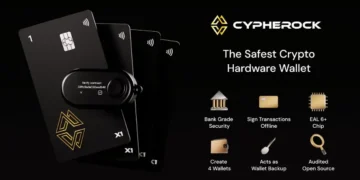
This is your cold wallet. But in 2026, a simple hardware wallet from a drawer is the baseline. Your Vault should be a true air-gapped signing device that never touches a live internet connection. Think of it less as a wallet and more as your master keychain.
The Tool: An air-gapped QR-code-signing device. You compose the transaction on your phone, scan a QR code with the device, sign it on the device, and broadcast the resulting signed transaction via QR code back through your phone. The private key never touches an internet-connected device.
The Rule: This wallet interacts with nothing except itself. No minting, no staking, no voting. It sends and receives. That’s it. This holds your soulbound identity tokens, your long-term holdings, your digital art collection.
Tier 2: The Everyday DeFi Wallet (Your Hot Wallet)
This is a browser extension or mobile wallet. This wallet gets dirty. It interacts with trusted-but-not-godlike protocols.
The Tool: A battle-tested, open-source wallet like Rabby or a significantly improved MetaMask with integrated transaction previews. It is connected to a hardware wallet for signing (not the Vault, a separate, smaller hardware device).
The Rule: Keep minimal funds here. Calculate what you need for a week’s worth of gas and active positions, and stick to it. Top it up like a prepaid debit card from your Vault. If this wallet is compromised, the pain is an annoyance, not a catastrophe.
Tier 3: The Burner Wallet (The Disposable Camera)
This is the wallet for the dark forest. The “connect wallet to claim” site. The new NFT mint from a pseudonymous artist who just dropped a link an hour ago.
The Tool: A fresh wallet created on your phone with zero connection to your identity. No ENS name that resolves to your main identity. No NFTs that link back to your Vault. Fund it with a tiny amount of the required gas token and the exact cost of the mint—no more.
The Rule: Expect it to be compromised. If the transaction goes through, send the minted asset out immediately, and never use the wallet again. Burners are a consumable security expense.
The Human Firewall: Mastering OpSec for Normal People
A beautiful hardware wallet means nothing if you can be sweet-talked into signing a malicious transaction. Your mind is the final boss of security.
How to Verify a Transaction: The “Not Your Eyes” Method
Your eyes are liars. The user interface of a website can be perfectly faked. A malicious contract can display “Stake 1 ETH” on the screen while the code underneath says, “Send all ETH in this wallet to attacker.”
Actionable Step: Make blind signing impossible. Before you hit “approve” on any hardware device, force yourself into a 30-second pause ritual. Read the screen. “Approve USDC for unlimited spend? No. I will change it to the exact amount.” Your hardware wallet screen is the ultimate source of truth. If the numbers or the destination address on that tiny screen don’t match what you think you’re doing, stop.
Pre-Transaction Simulation: Use wallets that integrate simulation tools (like Wallet Guard or Blockaid, which are now native in many 2026 wallets). They will show you a human-readable preview: “Your balance will change by -1 ETH. You will receive X token. No other assets will be affected.”
The “Zero Trust” Communication Policy
In 2026, every inbound message is a potential phishing attempt until verified through an out-of-band channel.
Never, ever click a link from a Discord direct message, even if it’s from a “friend.”
If a “mod” or “admin” DMs you first, it’s a scam. Period. No serious project does this.
If a protocol sends you an email about an “urgent migration,” close the email, open X or their official governance forum by typing the URL yourself, and verify. The extra 60 seconds is the difference between security and ruin.
The Invisible Cloak: Practical Privacy for Public Ledgers
Since your wallet is a glass house, let’s at least frost the windows.
The Art of Wallet Segmentation and Identity
We already separated wallets by risk. Now separate them by identity. Funds flow from your exchange to a neutral “scrubbing” wallet before hitting your Vault. This breaks the direct KYC-to-Vault link from public block explorers. Use different addresses for different dApps, which is a feature many smart wallets now automate.
The New Mixers: Privacy Pools
Privacy in 2026 is no longer synonymous with tornadoes and legal gray areas. Privacy Pools protocols have emerged, allowing you to generate a cryptographic proof that your funds came from a legitimate source (not a known hack), break the on-chain link, and deposit into a fresh wallet, all while provably dissociating from illicit actors. This is clean, regulatory-compliant privacy. For a non-expert, this is as simple as depositing into a protocol like a savings account and withdrawing to a new, fresh address.
Building a Security Routine That Sticks (No Spreadsheets Required)
Security is a practice, not a one-time purchase. It’s about building micro-habits that collectively act as a shield.
The Monthly Revocation Day: Set a recurring calendar reminder. The first Saturday of every month, you pour a coffee, go to a trusted revoke tool (like Revoke.cash), and look at every contract that has an allowance to spend your tokens. Revoke anything you aren’t actively using. An old, forgotten staking contract from a project that folded a year ago is an open door to your wallet.
The 72-Hour Rule: For any new, hot protocol or shiny NFT platform, impose a 72-hour waiting period between discovering it and depositing any meaningful capital. Hype is the enemy of security. Scams rely on FOMO. Time is the universal FOMO killer. If it’s a great project, it will still be great on Thursday.
Seed Phrase Management Without Paranoia: A stamped steel plate in a home safe is good. But in 2026, it’s not enough. A fire, a flood, or a targeted in-person theft can destroy that single point of failure.
The 2-of-3 Multi-Sig approach for normal people: Split your recovery phrase into three parts. You need any two parts to reconstruct the full seed. Store Part A with a trusted family member in another city. Store Part B in a bank safe deposit box. Store Part C in your home safe. A single compromised location is not a catastrophe, and you don’t have to memorize 12 words on a piece of paper.
The “Oh No” Moment: What If You’ve Already Been Hacked?
You just saw a transaction you didn’t authorize. The world stops. Don’t panic; act like a pilot in an emergency. Your checklist:
Tripwire, Not Reactor: If you use a wallet with a “watch-only” companion app, immediately check it. But your primary action is immediate.
Don’t Try to “Beat the Hacker” Manually: If a sweeper bot is active, it’s faster than you. You will lose a gas war.
Use a Flashbots-Style Rescue Service: Protocols now exist that allow you to bundle a series of transactions (cancel all approvals and send remaining assets to a safe address) into a single private transaction that doesn’t wait in the public mempool for the sweeper bot to see it. This is the single most critical tool to have bookmarked before you ever need it.
The Nuclear Option: Revoke and Abandon. Your immediate goal is not to save the wallet; it’s to save the assets. Revoke all token approvals using the private mempool service. Transfer out any remaining valuable tokens. After that, that wallet address is dead. Never use it again. The private key is forever compromised.
Step-by-Step: How to Secure Your First Web3 Wallet
Step 1: Clean Installation
Navigate to the official, verified developer site. Download the app or install the browser extension. If a checksum or GPG signature is provided, verify it. This confirms the file hasn’t been tampered with in transit.
Step 2: Offline Seed Generation
For a hardware wallet, this is automatic. For a hot wallet, do it in a private, secure environment. Immediately write the displayed seed phrase on your physical backup material. The ink from a ballpoint pen on paper fades; a steel punch does not.
Step 3: Local Access Locks
Set a strong, unique PIN and enable biometric authentication. Add a multi-factor authenticator app if the wallet supports it for transaction signing. These stop a casual attacker who finds your unlocked phone, but they do nothing to protect a seed phrase leak.
Step 4: Redundancy and Inheritance Planning
Store your two separate metal backups in geographically distinct, safe locations. Decide whether a trusted family member or legal executor needs to know the location of one copy, without knowing what the list of words is for. Write a letter explaining that the plate is part of a recovery kit, not the full story.
Step 5: The Full Recovery Rehearsal
Move a tiny, negligible amount of crypto to your new wallet. Then, deliberately delete the wallet from your device. Restore it from your physical seed phrase backup. Only when you see that small balance reappear, and you can successfully send it out, have you truly secured your setup.
Common Mistakes Web3 Users Still Make With Wallets
The attack vectors have become highly automated, yet the most lucrative exploits target simple human error. A hauntingly common one is taking a celebratory screenshot of the seed phrase for “safekeeping,” which is instantly synced to a cloud that later gets breached. Storing the phrase in a password manager’s notes field or a Google Doc named “Vacation Ideas” is equally catastrophic, as a single credential-stuffing attack defeats it.
Another critical error is clicking “confirm” on a transaction prompt out of habit, especially on a new or unaudited decentralized app. That signature could be an infinite approval on all your USDC, draining your wallet later in a single, permissionless transaction. Similarly, installing a wide array of browser extensions, one of which might be a sleeper malware waiting for you to open your wallet page, is a silent killer.
Simple Security Upgrade Plan for 2026
It’s time to evolve past a single, browser-based hot wallet. Begin migrating your “long-term storage” funds to a hardware wallet, keeping only active trading or minting capital in hot wallets. This separation is a fundamental risk firewall.
Conduct a rapid security audit of all your existing wallets today. Revoke any standing token approvals on sites you no longer use via a tool like Etherscan’s token approval checker. Then, build a recurring quarterly calendar event. The task list is simple: check your backups, update your wallet and device firmware, and ruthlessly delete any dApp connections or browser extensions you don’t actively use. In security, good hygiene is automated hygiene.
Conclusion
The promise of Web3 in 2026 is more profound than ever: true digital sovereignty, programmable money, and community-owned networks. But sovereignty without security is a cruel illusion. You don’t need a degree in cryptography to claim it. You just need to act like the sovereign of your own digital domain.
You are no longer a passive user; you are the CEO of your own bank. And a good CEO delegates and builds robust systems. The tiered wallet system, the 30-second verification pause, the monthly revoke routine—these are not paranoid chores. They are the simple, empowering protocols that transform you from a soft target into a hard one.
The goal isn’t to build an impenetrable fortress. The goal is to build a fortress that is so much harder to breach than your neighbor’s that the wolves simply move on. Start with one step today. Set up that burner wallet. Practice that 30-second pause. Your future self, calmly browsing an art gallery in the metaverse while a scammer’s bot scrapes an empty, abandoned wallet you outsmarted, will thank you.
FAQs
Can I take a photo of my seed phrase?
No. This is the single most common path to a total loss. The moment that image hits a cloud-synced album, it’s a treasure map for any hacker who gains access to your iCloud or Google account.
Is a hardware wallet always safer?
It’s safer at protecting your private key from online malware. However, a hardware wallet cannot protect you from signing a malicious smart contract. It blindly signs whatever you confirm on the device, so you must still read every transaction you approve.
How many wallets should I use?
A minimum of two. One “hot” wallet (mobile or browser extension) with a small percentage of funds for daily interaction with apps, and one “cold” hardware wallet for holding the bulk of your assets long-term.
What happens if my device gets hacked?
Immediately use a clean, trusted device to access your seed phrase backup. Swiftly restore your wallet there and transfer all assets to a brand new, uncompromised wallet. The old wallet’s keys are permanently unsafe.
Do I really need to use a metal backup for my seed phrase?
Yes. Paper burns in a fire, disintegrates in a flood, and the ink fades with time. A steel plate costs less than a nice dinner, and it could be the only thing that survives a physical disaster to save your generational wealth.
A hardware wallet is too expensive/unobtainable for me right now. What’s the safest alternative?
Use an old, factory-reset smartphone. Remove all other apps, disable WiFi and cellular data permanently, and install a reputable, audited mobile wallet from an official source. Use it exclusively for QR-code air-gapped signing as described in Tier 1. This “poor man’s cold wallet” is infinitely better than a hot wallet on your daily-use computer.
I get so many airdrop claim links on X and Discord. How do I safely check one without risking my main wallet?
Never check them from your main device’s connection. Use your Tier 3 burner wallet. Copy the suspicious link, open a virtual machine or a separate browser profile you’ve set up for “dirty” work, and paste it there. Connect only the burner wallet. Even if the site is a drainer, they can only steal the negligible assets in that one disposable wallet.
Are multi-signature wallets only for DAOs and organizations?
No. Smart contract multi-signature wallets (like Safe) are the gold standard for personal security in 2026. You can set up a 2-of-3 wallet where signing requires confirmation from, for example, your hardware wallet and your mobile phone. This single-handedly defeats any single-point-of-failure attack, like a keylogger or a stolen seed phrase.
I connected my wallet to a site and didn’t sign anything. Am I safe?
In a simple “connect” action, you are generally only exposing your public address, which is already public. The danger is signature requests that can be obfuscated. However, always disconnect your wallet from sites you’re not actively using as a hygiene practice to protect against future front-end hijacks. Also, be aware that in 2026, advanced scripts can profile your wallet’s token holdings the moment you connect, making you a target for later, more personalized phishing attacks.
Are hardware wallets still hackable?
Physically, if an attacker gets your device and knows your PIN, yes. Remotely, the theoretical attack surface is the supply chain (a compromised device before it reaches you) or a sophisticated man-in-the-middle attack during a firmware update. Always buy directly from the manufacturer, never second-hand. Verify the holographic seals. And when a firmware update is required, take a moment to verify its cryptographic signature against the manufacturer’s published key if possible. The risk is very low, but it’s not zero.
What’s the single most important thing I should do today to be safer?
Without hesitation: perform a full token approval audit and revoke. Go to a reputable revoke tool like Revoke.cash, connect your primary hot wallet, and revoke the spending allowances for every smart contract you don’t urgently need. This single 5-minute action closes more backdoors to your funds than any other step. Do it now.