
















A low-stress, beginner-friendly crypto portfolio for 2026 isn’t about timing the market—it’s about building a resilient structure. Start with Bitcoin as your stable foundation, diversify into a few established assets for growth, maintain a stablecoin buffer for flexibility, and implement Dollar-Cost Averaging (DCA) to smooth out volatility. This disciplined approach prioritizes long-term gains and peace of mind over the anxiety of daily price checks. Our guide provides the actionable blueprint to build this stress-free strategy, ensuring you avoid common pitfalls and stay focused on your financial future.
Is your crypto journey defined by crypto FOMO, confusing charts, and constant anxiety about the next market crash? You’re not alone. With thousands of coins, relentless hype, and volatile markets, it’s easy for new investors to feel overwhelmed and make costly mistakes.
The good news is that successful investing doesn’t require becoming a full-time trader. In fact, the opposite is true. The most effective and low-stress crypto strategy for 2026 is also the most straightforward: building a simple, balanced portfolio designed for the long haul. This guide cuts through the noise, providing you with a clear, actionable framework to create a beginner-friendly crypto portfolio that grows steadily while you sleep soundly. Let’s build your foundation for calm, confident investing.
In the dynamic and often overwhelming world of cryptocurrency, building a sustainable long-term crypto portfolio can feel like navigating a maze blindfolded. You’re bombarded with questions like “Which crypto to buy today for long-term” or enticed by headlines promising the next “crypto will give 1000x in 2026”. The noise is deafening. This guide cuts through it. We’re not here to chase overnight riches; we’re here to build a resilient, diversified investment strategy designed to grow steadily through 2026 and beyond, transforming market uncertainty into confident, low-stress action. Let’s build your financial future, one strategic block at a time.
Why You Need a Strategy Before You Buy a Single Coin
Jumping into crypto without a plan is the single biggest mistake beginners make. Without a strategy, you’re vulnerable to every market rumor and emotional swing, which can quickly lead to significant losses.
The High Cost of Common Beginner Mistakes
Chasing Hype (FOMO): Investing in trending tokens based on social media buzz often leads to buying at the peak and falling victim to “rug pull” schemes.
Overtrading: Constantly buying and selling in reaction to price swings erodes your capital through accumulated fees and creates complex tax headaches.
Ignoring Security: Leaving large amounts on exchanges or using weak passwords makes you a prime target for hackers.
No Portfolio Management: Failing to diversify or rebalance your holdings exposes you to unnecessary, concentrated risk.
A crypto investment strategy acts as your personal rulebook. It dictates what you buy, when you buy it, and—most importantly—what you ignore. It transforms investing from an emotional rollercoaster into a calm, systematic process.
Why a Long-Term, Diversified Mindset is Your #1 Asset
Forget the day-trading frenzy. The most consistent winners in crypto adopt a marathon runner’s mindset. A long-term crypto portfolio isn’t about timing the market’s peaks and valleys; it’s about time in the market. This approach smooths out volatility, reduces emotional decision-making, and allows you to compound gains over years.
Diversification is your shield. By spreading your investment across different types of crypto assets, you ensure that a downturn in one sector doesn’t sink your entire ship. Think of it as building a team where each player has a unique role.
The Captain (Store of Value): Bitcoin. Its primary role is preservation and steady appreciation, acting as digital gold in your portfolio.
The Engineer (Utility & Innovation): Ethereum & Smart Contract Platforms. These are the workhorses that power applications, from finance to digital ownership.
The Specialists (Growth & Niche Exposure): Select altcoins in high-potential niches like DeFi, scaling solutions, or AI integration.
The goal isn’t to find a single crypto will boom in 2026; it’s to construct a portfolio where multiple assets can contribute to growth while protecting your core capital.
Building Your Foundation: The Essential Crypto Blue Chips
Every sturdy building needs a strong foundation. In crypto, that foundation is built on blue-chip assets—established, high-market-cap cryptocurrencies with proven resilience and widespread adoption. For a beginner-friendly portfolio, starting here minimizes risk while providing exposure to the market’s core value drivers.
1. Bitcoin (BTC): The Digital Gold Standard
Bitcoin isn’t just another cryptocurrency; it’s the original and the undisputed leader. For a long-term crypto portfolio, Bitcoin serves as the ultimate “risk-off” anchor. Its value proposition is simple yet powerful: a decentralized, scarce digital asset (capped at 21 million) that operates outside traditional financial systems.
2026 Outlook & Role: Major financial institutions like JPMorgan have shifted from critics to participants, with the bank even considering offering crypto services to clients. Analysts from firms like Bernstein project long-term targets as high as $200,000, driven by institutional inflows. In your portfolio, allocate a significant portion (30-50% for beginners) to BTC for stability and steady, long-term appreciation.
2. Ethereum (ETH): The Programmable World Computer
If Bitcoin is digital gold, Ethereum is the global settlement layer for the new internet. It’s the leading platform for smart contracts—self-executing code that powers everything from decentralized finance (DeFi) to NFTs. Ethereum’s recent upgrades have made it more scalable, efficient, and environmentally friendly.
2026 Outlook & Role: The approval of spot Ethereum ETFs has opened the floodgates for institutional capital, mirroring Bitcoin’s trajectory. Analysts like Julian Hosp see a path to $10,000 in the medium term. ChatGPT’s analysis suggests a potential rally toward $9,000 if bullish conditions prevail. As the backbone of Web3, ETH is a core holding for exposure to blockchain innovation.
These two assets should form the cornerstone of your strategy when deciding which crypto to buy today for long-term growth. They provide safety and market-aligned growth, upon which you can layer more strategic bets.
Strategic Diversification: Selecting Altcoins for Growth
With a solid base of BTC and ETH, you can now explore altcoins—alternative cryptocurrencies that offer higher growth potential (and higher risk). The key is strategic diversification: choosing projects with strong fundamentals across different sectors of the crypto economy.
*Table: High-Conviction Altcoins for a 2026 Portfolio*
| Cryptocurrency | Category | Key Value Proposition for 2026 | Sample Analyst Outlook |
|---|---|---|---|
| Solana (SOL) | Smart Contract Platform | Blazing speed & low cost; leader in AI agent payments & consumer apps. | VanEck base target: ~$335; ChatGPT high-end scenario: $600. |
| Cardano (ADA) | Smart Contract Platform | Research-driven, proof-of-stake blockchain focused on real-world use cases and governance. | Expert price targets range from $3 to $5, citing its methodical development. |
| Polygon (MATIC) | Layer 2 Scaling | Enhances Ethereum’s scalability; critical infrastructure as Ethereum adoption grows. | Viewed as a growth complement to ETH, benefiting directly from its ecosystem expansion. |
| Chainlink (LINK) | Oracle Network | Securely connects blockchains to real-world data; essential infrastructure for DeFi and RWAs. | Grows as the tokenization of real-world assets (real estate, bonds) accelerates. |
| Polkadot (DOT) | Interoperability | Enables different blockchains to communicate and share security. | Plays a key role in a future multi-chain ecosystem. |
How to Evaluate an Altcoin:
Utility: Does it solve a real problem? (e.g., Solana’s speed, Chainlink’s data feeds).
Tokenomics: Is the supply schedule sensible? Is the token necessary for the network’s function?
Team & Community: Is there an active, credible development team and a strong user base?
Roadmap: Are there clear, upcoming milestones for 2026?
Avoid the temptation to blindly chase the projected best crypto to buy for 2026 based on hype alone. Focus on projects with durable technology and growing use. Remember, for every potential crypto will give 1000x in 2026, there are hundreds that fade to zero. Rigorous research is non-negotiable.
Ready-Made Portfolio Models for Every Risk Profile
Now, let’s translate theory into practice. Here are four model portfolio allocations, from most conservative to most growth-oriented. These are starting frameworks you can adapt based on your own research and comfort level.
1. The Conservative Portfolio (Lowest Risk)
Ideal for beginners or those with a low risk tolerance. This portfolio prioritizes preservation of capital with moderate growth.
Bitcoin (BTC): 50% – Your primary store of value and portfolio anchor.
Ethereum (ETH): 30% – Exposure to smart contracts and institutional ETF flows.
Blue-Chip Altcoins (e.g., BNB, ADA): 20% – Limited diversification into established, large-cap projects beyond the top two.
2. The Balanced Portfolio (Moderate Risk)
A great all-rounder for investors seeking a mix of stability and growth potential. This is often recommended as a default starting point.
Bitcoin (BTC): 40% – Core holding.
Ethereum (ETH): 30% – Core innovation holding.
Established Altcoins (e.g., SOL, DOT): 20% – Targeted growth from leading ecosystems.
Emerging Sectors (e.g., LINK, MATIC): 10% – Strategic bets on critical crypto infrastructure.
3. The Growth Portfolio (Higher Risk)
For investors comfortable with more volatility in pursuit of higher potential returns. It tilts significantly toward innovative altcoins.
Bitcoin (BTC): 30% – Maintains a foundational position.
Ethereum (ETH): 25% – Maintains a core innovation position.
High-Potential Altcoins (e.g., SOL, AVAX): 30% – Significant allocation to leading smart contract competitors.
Infrastructure & Niche Tokens (e.g., MATIC, LINK): 15% – Bet on the tools that will build the next wave of apps.
Your Action Plan: How to Buy, Secure, and Manage
Step 1: Choose a Reputable Exchange. Start with a user-friendly, regulated platform like Coinbase, Kraken, or Binance to make your first purchases. These act as your on-ramp from traditional currency (USD, EUR) into crypto.
Step 2: Implement Dollar-Cost Averaging (DCA). This is your most powerful tool for low stress investing. Instead of trying to buy at the “perfect” time, automatically invest a fixed amount (e.g., $100) every week or month. This averages out your purchase price over time, smoothing market volatility.
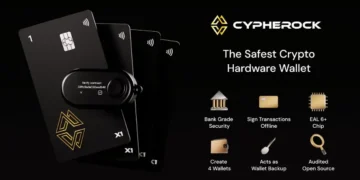
Step 3: Move to a Secure Wallet. Never leave large amounts on an exchange. For long-term holdings, use a hardware wallet (like Ledger or Trezor) for maximum security. For smaller, active amounts, a trusted software wallet (like MetaMask) works. This gives you sole control of your private keys.
Step 4: Schedule Portfolio Rebalancing. Set a calendar reminder (e.g., every 6 months) to review your portfolio. If one asset has grown to dominate your allocation (e.g., SOL jumps from 15% to 25%), sell a portion to buy more of the underweighted assets. This systematically “buys low and sells high” and maintains your target risk level.
The 2026 Crypto Landscape: Maturity Meets Opportunity
The market has evolved dramatically. Understanding this new environment is key to building a resilient portfolio.
Institutional Adoption is Real: The approval of spot Bitcoin and Ethereum ETFs has opened the floodgates for traditional finance, bringing stability and massive new capital.
Regulations Are Forming: Frameworks like the EU’s Markets in Crypto-Assets (MiCA) regulation are creating clearer rules, offering more protection for retail investors.
Beyond Speculation: Crypto is maturing. It’s no longer just about price speculation; it’s about the utility of blockchain technology for payments, smart contracts, and decentralized finance (DeFi).
This maturation means a long-term focus is more viable than ever. The wild west days are giving way to an era where fundamental analysis and steady growth are rewarded.
The 4 Pillars of a Stress-Free Crypto Portfolio
Building your portfolio is like constructing a house. You need a solid foundation, strong supporting walls, and a safety buffer for storms. Here’s the four-part structure that creates a truly low-stress crypto experience.
1. The Foundation: Your Core Holdings (The “Bedrock”)
This is the stable base of your portfolio. These are large-cap, widely adopted cryptocurrencies with long track records. They are less volatile than smaller projects and tend to lead market recoveries.
Primary Candidates: Bitcoin (BTC) and Ethereum (ETH).
Allocation: For true beginners, starting with 100% in this foundation is a perfectly valid, low-stress strategy. As you build confidence, this can form 60-80% of your total portfolio.
Why It Works: Bitcoin’s behavior is easier to understand than rapid altcoin swings, making it the ideal teacher. Its deep liquidity and global recognition make it a dependable anchor during market turbulence.
2. The Growth Layer: Strategic Diversification (The “Engine”)
Once your foundation is set, you can allocate a smaller portion to assets with higher growth potential. The key is to choose projects with clear utility and strong fundamentals, not just hype.
Focus Areas:
Smart Contract Platforms: Like Solana (SOL) or Avalanche (AVAX), which power decentralized applications.
Sector Leaders: Tokens tied to growing sectors like decentralized AI (e.g., Render Network’s RNDR) or decentralized data (Chainlink’s LINK).
Allocation: Typically 20-35% of your total portfolio. This slice is for controlled, calculated upside without risking your core stability.
Due Diligence is Key: Before investing, research the team, tokenomics (supply, distribution), and real-world use case. Never invest in what you don’t understand.
Table: Sample Portfolio Allocation for a Beginner
| Portfolio Layer | Example Assets | Purpose | Sample Allocation | Risk Profile |
|---|---|---|---|---|
| Foundation | BTC, ETH | Stability & Long-Term Store of Value | 60-80% | Low to Medium |
| Growth | SOL, LINK, RNDR | Strategic Growth & Diversification | 20-35% | Medium to High |
| Buffer | USDC, USDT | Liquidity, Buying Power, & Risk Buffer | 5-15% | Very Low |
3. The Buffer: Your Stablecoin Safety Net (The “Shock Absorber”)
Stablecoins like USDC or USDT are pegged to the US dollar. They are the secret weapon of a calm investor.
Their Critical Roles:
Buying Power: They let you hold value in crypto without exposure to volatility, ready to deploy when you see a strategic buying opportunity (like a market dip).
Psychological Buffer: When markets crash, having a stablecoin reserve prevents panic selling. You’re not forced to sell your BTC at a loss because you have dry powder on the sidelines.
Allocation: Maintaining 5-15% of your portfolio in stablecoins creates essential breathing room and tactical flexibility.
4. The Process: Dollar-Cost Averaging (DCA) – Your Automation for Calm
Dollar-Cost Averaging (DCA) is the ultimate low-stress crypto investment tactic. It means investing a fixed dollar amount at regular intervals (e.g., $100 every Tuesday), regardless of the price.
How It Defeats Volatility: You automatically buy more when prices are low and less when they are high. This smoothes your average purchase price over time and completely removes the need—and stress—of trying to “time the market.”
Set It and Forget It: Automate your DCA purchases through your exchange. This turns portfolio building into a boring, routine habit, which is exactly what long-term wealth building should be.
Your Action Plan: Building Your Portfolio Step-by-Step
Follow this checklist to go from zero to a fully operational, low-stress portfolio.
Phase 1: Foundation & Setup (Week 1)
Define Your “Why”: Is this for long-term wealth, learning, or diversification? Write down your goal.
Set Your Budget: Decide on a total amount to allocate. Crucially, this should be money you are comfortable potentially losing. Never invest money needed for bills or emergencies.
Choose a Reputable Exchange: Select a beginner-friendly, secure platform (like Coinbase or Kraken) to make your first purchases.
Create a Secure Wallet: For long-term holdings, move assets off the exchange. A non-custodial wallet (like MetaMask for small amounts) or a hardware wallet (like Ledger) gives you full control. Protect your seed phrase with your life.
Phase 2: Initial Deployment & Automation (Week 2)
Make Your First Foundation Purchase: Buy your initial allocation of BTC or ETH. Start small to get comfortable with the process.
Establish Your DCA Plan: On your chosen exchange, set up an automatic, recurring buy for your foundation asset.
Document Everything: Use a simple spreadsheet or a crypto portfolio tracker (like CoinStats or Delta) to record your purchases, prices, and allocations. This is vital for tracking and taxes.
Phase 3: Maintenance & Growth (Ongoing)
Schedule Quarterly Reviews: Mark your calendar to review your portfolio only once per quarter. Avoid daily price checks.
Rebalance if Needed: During reviews, check your allocations. If your foundation grows to 85% of your portfolio, consider selling a small amount to top up your growth or buffer layers, maintaining your target balance.
Stay Informed, Not Reactive: Follow a few trusted news sources, but ignore the daily noise. Focus on long-term trends and fundamental developments.
Essential Tools for the Low-Stress Investor
Portfolio Trackers: Apps like CoinLedger or Delta aggregate holdings from all your wallets and exchanges into one dashboard, showing your total performance in real-time. Many also integrate tax reporting.
Security Tools: Always enable Two-Factor Authentication (2FA) on every account. Consider a password manager.
Information Filters: Bookmark 2-3 reputable crypto news sites (like CoinDesk) and unfollow hyperactive trading influencers on social media.
Future-Proofing Your Portfolio: 2026 Mega-Trends to Watch
To ensure your portfolio is relevant for the future, align part of your allocation with the macro trends identified by leading analysts at firms like Forbes Crypto, Galaxy Digital, and SVB.
Institutional Adoption Goes Vertical: This isn’t just about ETFs anymore. It’s about banks like JPMorgan using Bitcoin as collateral and traditional finance building on crypto rails. Your Move: A strong BTC/ETH foundation positions you directly in this trend.
The Tokenization of Everything (RWA): Expect real-world assets—bonds, real estate, commodities—to be represented as tokens on blockchain. This could be a multi-trillion-dollar opportunity. Your Move: Allocations to oracle networks (LINK) and scalable platforms (SOL, ETH) provide exposure.
AI Meets Crypto (“Agentic Commerce”): As AI agents become autonomous, they will need to transact value. Blockchains like Solana and Base are poised to be the payment rails for this machine-to-machine economy. Your Move: Consider SOL as a strategic bet on this convergence.
Stablecoins Become the Internet’s Dollar: With clear U.S. regulation (the GENIUS Act), dollar-pegged stablecoins are set to revolutionize global payments and settlements. Your Move: Use stablecoins as a safe holding position within your portfolio, not just as a trading pair.
Navigating Speculative Opportunities
You will hear about presale tokens and meme coins promising insane returns. For example, projects like USE.com are marketed as potential 1000x opportunities. Approach these with extreme caution. Allocate only a tiny portion of capital you are prepared to lose entirely to such experiments, and never let them compromise your core, diversified strategy. The best crypto to invest in right now for most people is still a basket of the foundational assets discussed above.
Conclusion
Building a beginner-friendly crypto portfolio for 2026 isn’t about finding a magic bullet. It’s about embracing a disciplined, long-term strategy centered on diversification, blue-chip foundations, and steady dollar-cost averaging. You now have the framework:
Anchor your portfolio with Bitcoin and Ethereum.
Diversify strategically into a handful of high-conviction altcoins across different sectors.
Choose a portfolio model that matches your personal risk tolerance.
Execute using DCA and secure your assets in a private wallet.
Stay informed on mega-trends to make thoughtful adjustments.
The path to long-term crypto success is a marathon of informed decisions, not a sprint of speculative bets. Start small, stay consistent, and let the power of compounding work in your favor. The future of finance is being built on blockchain—your portfolio is your stake in that future.
Frequently Asked Questions (FAQs)
What makes a good long-term crypto portfolio?
A good long-term portfolio is diversified, foundational, and resilient. It uses major assets like Bitcoin and Ethereum as a stable core (comprising 60-70% for beginners) and strategically allocates to a select few altcoins with strong fundamentals in high-growth sectors like DeFi, scaling, and AI. The primary goal is steady growth over years, not short-term speculation.
Why should you invest in cryptocurrency in 2026?
2026 is positioned as a year of “maturity” for crypto, marked by deep institutional integration, clear federal regulation in the U.S., and the mainstream emergence of real-world use cases like asset tokenization and AI-powered commerce. Investing now means getting exposure to an asset class that is transitioning from speculative to foundational within the global financial system.
Why is research important when building a long-term crypto portfolio?
Research (often called DYOR – Do Your Own Research) is crucial because the crypto market is full of high-risk projects. It helps you distinguish between assets with durable technology and real utility versus those driven purely by hype. Understanding a project’s team, tokenomics, use case, and roadmap protects you from significant losses and allows you to invest with conviction.
What makes a balanced crypto portfolio?
A balanced portfolio effectively manages risk and reward. It has a strong anchor in large-cap, established assets (BTC, ETH) for stability. It then diversifies into mid-cap altcoins with proven ecosystems for growth, and may include a small, calculated allocation to higher-risk, high-potential assets. This structure aims to capture upside across market cycles while limiting downside exposure.
I only have $100 to start. Is it even worth it?
Absolutely. Starting small is one of the best things you can do. It allows you to learn the process—buying, transferring to a wallet, tracking—with minimal risk. You can begin with a $20 DCA into Bitcoin every month. The habit and knowledge you build are more valuable than the initial dollar amount.
What’s the biggest security risk I should avoid immediately?
The number one risk is leaving your crypto on an exchange long-term (known as “custodial” storage). Exchanges are targets for hackers. For any meaningful amount, transfer your assets to a non-custodial wallet where you control the private keys. Never share your seed phrase (recovery phrase) with anyone, ever.
How often should I actively trade or change my portfolio?
Almost never. The core philosophy of a low-stress, long-term portfolio is “set it and forget it.” Plan to review your overall allocation no more than once a quarter. Constant trading increases fees, taxes, and stress while rarely improving long-term returns compared to a simple buy-and-hold DCA strategy.
Are stablecoins like USDC really safe?
They are the lowest-risk option within the crypto asset class but carry a different type of risk: counterparty risk. This means you must trust that the company (like Circle for USDC) holds enough real-world dollars to back each token. Stick to the largest, most transparent stablecoins (USDC, USDT) and consider them part of your portfolio’s cash buffer, not a traditional investment.
How do taxes work with this kind of portfolio?
In most jurisdictions, selling crypto for a profit (including trading one coin for another) is a taxable event. Using a DCA strategy and holding long-term typically results in fewer taxable events than active trading. Using a crypto portfolio tracker with integrated tax reporting (like CoinLedger or Koinly) is essential—it automatically imports your transactions and calculates your gain/loss, saving you immense hassle.
What should I do during a major market crash or “crypto winter”?
This is when your plan pays off. Do not panic sell. If you have a stablecoin buffer, you may choose to deploy some of it to buy your foundation assets at a discount (this is “buying the dip”). Otherwise, continue your DCA plan unchanged. History shows that consistently investing through downturns leads to the best long-term average prices.
Disclaimer: This content is for informational and educational purposes only. It does not constitute financial, investment, or trading advice. You should not construe any such information as a recommendation to buy or sell any financial instrument. Cryptocurrency investments are highly volatile and risky. You should conduct your own research and consult with a qualified financial advisor before making any investment decisions. Past performance is not indicative of future results.